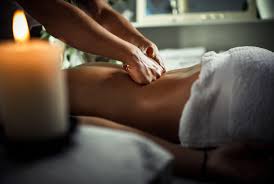
How stress shows up in the body
When people look for massage for stress relief, they usually describe a body that never really turns off. Common signs include jaw clenching, shoulder elevation, shallow breathing, headaches, mid-back tightness, and disrupted sleep.
Stress is not only a mental experience. It changes muscle tone, breathing pattern, and pain sensitivity. Over time, that can make normal workdays, workouts, and even rest feel more difficult than they should.
A good stress-support session helps interrupt that loop. The goal is to send your system a calmer signal so your body does not stay locked in high alert from morning to night.
When this approach is consistent, clients often report better work focus, less irritability, and fewer days where stress pain controls their schedule.
Why treatment style matters for stress recovery
Many clients assume more pressure always means better results. For stress-heavy patterns, that is often not true. If your nervous system is already overloaded, aggressive pressure can feel like one more stressor.
In most cases, better outcomes come from pacing, breath awareness, and pressure that matches your tolerance. This approach allows tissue to soften without forcing you to brace.
At New Dimensions Bodywork, stress support is built around responsiveness. Pressure, rhythm, and focus can be adjusted in real time based on how your body is responding that day.
That flexibility is especially useful for clients whose stress level changes week to week because treatment can be scaled without losing progress.
Therapeutic Massage vs CranioSacral for stress
Therapeutic Massage is often a strong first step when stress is combined with clear muscular tension in the neck, shoulders, or back. It provides direct tissue work while still allowing a calm, regulated pace.
CranioSacral Therapy can be a better starting point when your system feels highly sensitive, overstimulated, or unable to settle. It is gentler and may feel more manageable during high-stress periods.
Some clients rotate between both services. A practical pattern is to use massage when tissue demand is high and CranioSacral sessions when nervous system load is the primary issue.
This combined strategy can improve both symptom relief and recovery capacity without depending on one treatment style for every phase.
A practical next step
If stress is affecting sleep, focus, or physical comfort, start with one session and observe how you feel for 48 hours afterward. Useful signals include easier breathing, better sleep depth, and less morning tightness.
If the first session helps but symptoms return quickly, a short run of consistent appointments usually works better than waiting for the next major spike.
If you are not sure what to book, text 810-624-0102 and share your top concern and pressure preference. That one message usually saves time and helps match you to the right first appointment.
For local SEO terms people often search, this is the same approach many clients use when looking for stress massage in Grand Blanc, Michigan.